
Cellular Shades vs. Roller Shades: Which Is Better for Insulation and Comfort?
Window treatments are essential not only for aesthetic enhancement but also for improving the energy efficiency and comfort of homes. Cellular shades, also known as honeycomb shades, and roller shades are two popular types that homeowners often choose for their functionality and visual appeal. Read here to learn more about these options and how they compare.
Understanding Cellular Shades
Design and Structure
Cellular shades have a distinct honeycomb structure, which significantly enhances their insulation capabilities. The unique design creates air pockets that trap heat, acting as effective barriers against temperature fluctuations. This structural innovation is a primary reason why cellular shades are favored for keeping homes comfortable throughout different seasons. Such capabilities not only help in maintaining indoor temperatures but also contribute to energy savings by reducing the need for heating and cooling. The cellular design thus prioritizes both functionality and energy efficiency as integral benefits of these shades.
Among window treatments, cellular shades stand out for effectively integrating design and performance. The honeycomb structure is visually appealing, offering a modern look while performing key functions of insulation. Additionally, the variety of color and pattern options available allows for seamless incorporation into any decor style. This blend of aesthetics and utility is a significant driver behind the popularity of cellular shades. By meeting diverse needs and preferences, they offer a comprehensive solution for enhancing indoor comfort and energy savings.
According to Futuremarketinsights.com, the cellular blinds and shades market is estimated to be valued at USD 14.0 billion in 2025, with a projected growth to $21.5 billion by 2035. This growth underscores the increasing demand for shades that combine aesthetics with practical benefits. As consumers become more conscious of energy costs and seek comfort without sacrificing style, the market for cellular shades continues to expand. The honeycomb design serves as a testament to how innovation in window treatments can address modern energy efficiency needs effectively.
Types and Variants
Cellular shades come in various styles, including single-cell and double-cell options, each offering distinct benefits. Single-cell shades are lighter and are generally suitable for moderate insulation needs, making them ideal for milder climates. On the other hand, double-cell shades provide superior insulation by adding an additional layer of air pockets, enhancing their thermal effectiveness. This variety allows consumers to choose shades based on specific insulation requirements and budget considerations. The ability to select between single and double-cell options offers flexibility in balancing cost, insulation needs, and aesthetic preferences.
The market also offers cellular shades in various opacity levels, from sheer to blackout, catering to different light control and privacy needs. This versatility ensures that homeowners can find shades that not only offer insulation but also complement their lifestyle and interior design. The ability to choose the level of light filtration enhances the functionality of cellular shades as a comprehensive window treatment option. Such adaptability in design and function reflects the innovation that continues to drive the popularity of cellular shades. By offering solutions that address diverse needs, these shades remain a favored choice among homeowners seeking both style and utility.
Customization is another appealing feature of cellular shades, allowing for a precise fit and design harmony with existing home decor. With options that include varied colors, patterns, and textures, cellular shades can be tailored to enhance any room's aesthetic appeal. This level of personalization allows for more than just functionality; it transforms window treatments into a critical component of interior design. Furthermore, cellular shades' adaptability enables their use in various environments, from residential homes to commercial spaces. This versatility, coupled with robust insulation properties, makes them a preferred choice for those seeking tailored comfort solutions.
Insulation Properties
The primary advantage of cellular shades lies in their excellent insulation properties, which significantly contribute to energy efficiency. The honeycomb structure provides high R-values, measuring thermal resistance effectively, which reduces heat loss during winter and heat gain during summer. By maintaining more consistent indoor temperatures, these shades enable homeowners to rely less on artificial heating and cooling systems, leading to reduced energy costs. The ability to enhance insulation makes cellular shades a practical and environmentally friendly option for modern homes. Through improved energy efficiency, these shades not only offer cost savings but also contribute to a sustainable living environment.
Cellular shades help create a thermal barrier that also improves comfort by reducing drafts and cold spots near windows. This feature is particularly beneficial in homes located in extreme weather conditions where temperature control is crucial for comfort. By effectively blocking outdoor weather extremes, cellular shades allow for a more stable and comfortable indoor environment. This has made them a popular choice for homeowners looking to enhance comfort while minimizing energy use. The ability of cellular shades to address comfort and insulation simultaneously continues to reinforce their value proposition in the market.
Material and Durability
The materials used in the construction of cellular shades are integral to their durability and performance. Typically made from spun lace or bonded polyester, these materials offer resilience against wear while maintaining aesthetic appeal. Their lightweight nature does not compromise strength, providing window shades that can withstand regular use and environmental exposure. This durability ensures long-term reliability, making them a cost-effective investment. The choice of material in cellular shades thus balances the need for visual appeal, insulation effectiveness, and longevity.
Durable construction is a core feature of cellular shades, but maintenance also plays a vital role in their longevity. The materials used are designed to resist fading and are easy to clean, contributing to their lasting appeal and functionality. Regular maintenance is straightforward, often requiring only periodic vacuuming or spot cleaning to stay in prime condition. The minimal upkeep demanded by cellular shades makes them an attractive option for busy homeowners seeking low-maintenance solutions. This ease of care, combined with durable materials, underscores cellular shades' practical advantage for long-term use in diverse settings.
Design and Aesthetics
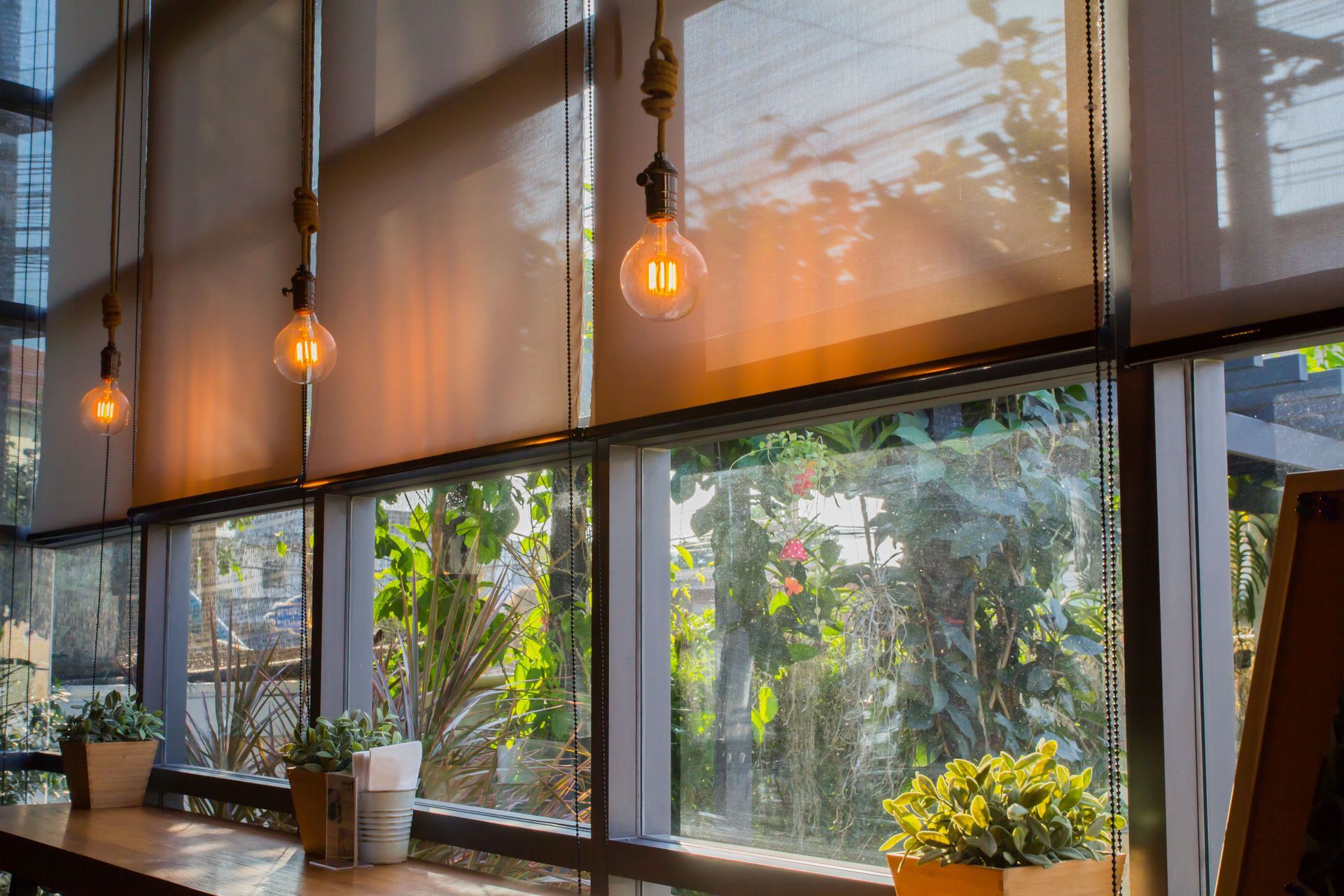
Roller shades are known for their sleek, minimalist design, which suits various interior styles from contemporary to traditional. Their simple design lines create a clean look that can complement any room setting, making them a versatile choice for homeowners. The variety of available fabrics, colors, and patterns allow roller shades to align with different aesthetic preferences, supporting diverse design palettes. For those seeking an unobtrusive yet effective solution, roller shades offer a blend of form and function. Their ability to enhance decor without overwhelming it makes them a preferred option for modern, minimalist spaces.
The understated elegance of roller shades is particularly appealing in spaces where the focus is on clean lines and functional decor. Their design emphasizes simplicity while providing necessary light control and privacy, catering to practical needs without compromising on style. The minimalist aesthetic is supported by their adaptability to any window size or shape, further enhancing their appeal. This versatility enables roller shades to seamlessly integrate into varied interior design themes, reinforcing their reputation as a flexible and attractive window treatment choice. As trends continue to favor streamlined aesthetics, roller shades remain a relevant and appealing option in home decor.
Ultimately, the better choice depends on the needs of the space. For maximum comfort and energy savings, cellular shades are often the more effective option. For clean style and straightforward functionality, roller shades remain a versatile alternative. If you're considering which is the right option for you, find what you need at Midwest Blinds!



Share On: