
Commercial Window Treatment Solutions That Improve Energy Efficiency
Energy efficiency is a critical concern for commercial buildings due to its significant impact on operational costs and environmental sustainability. Windows are a major source of energy loss in buildings; hence, effective commercial window treatments can drastically reduce energy consumption. Here are just a few helpful things to keep in mind,
Understanding Energy Loss Through Windows
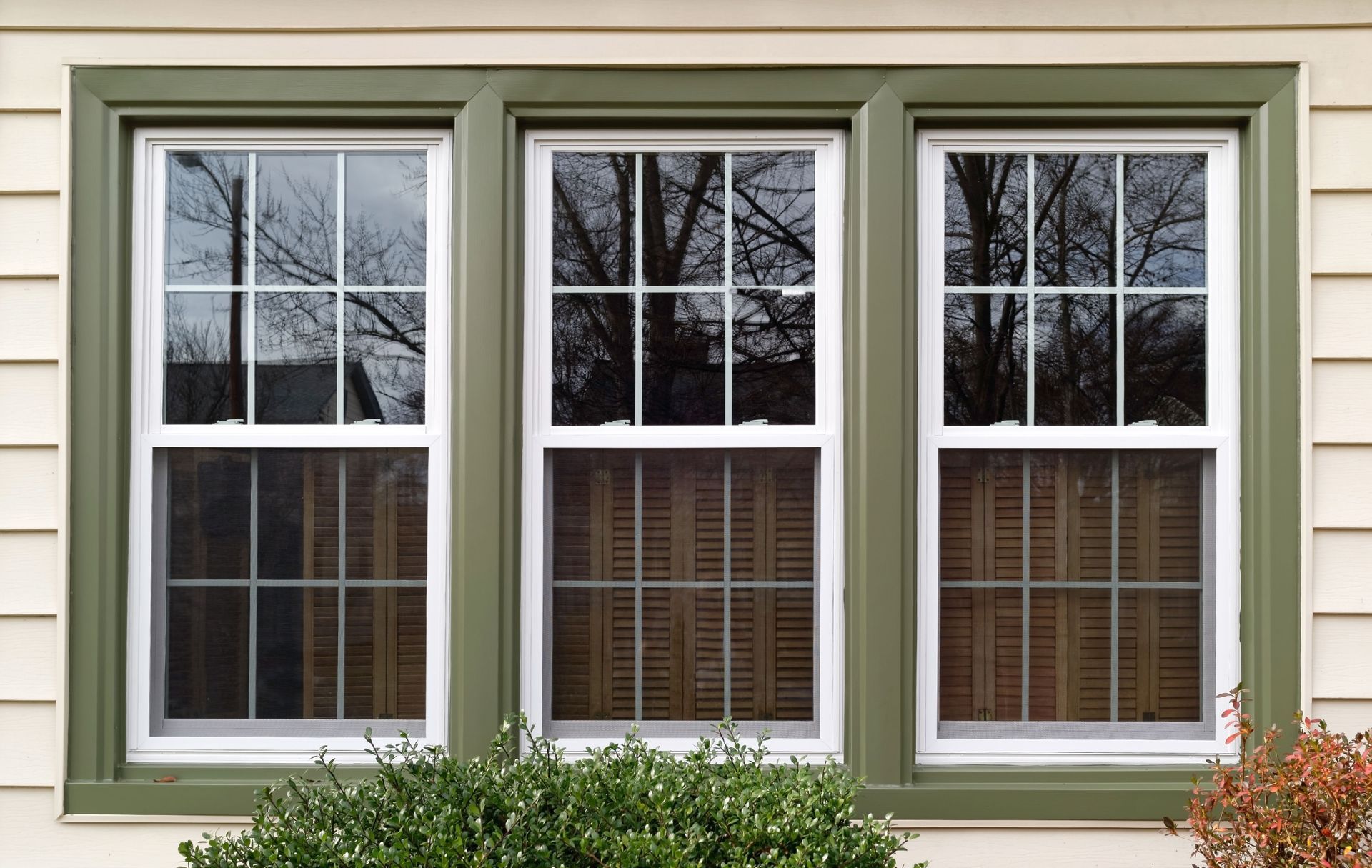
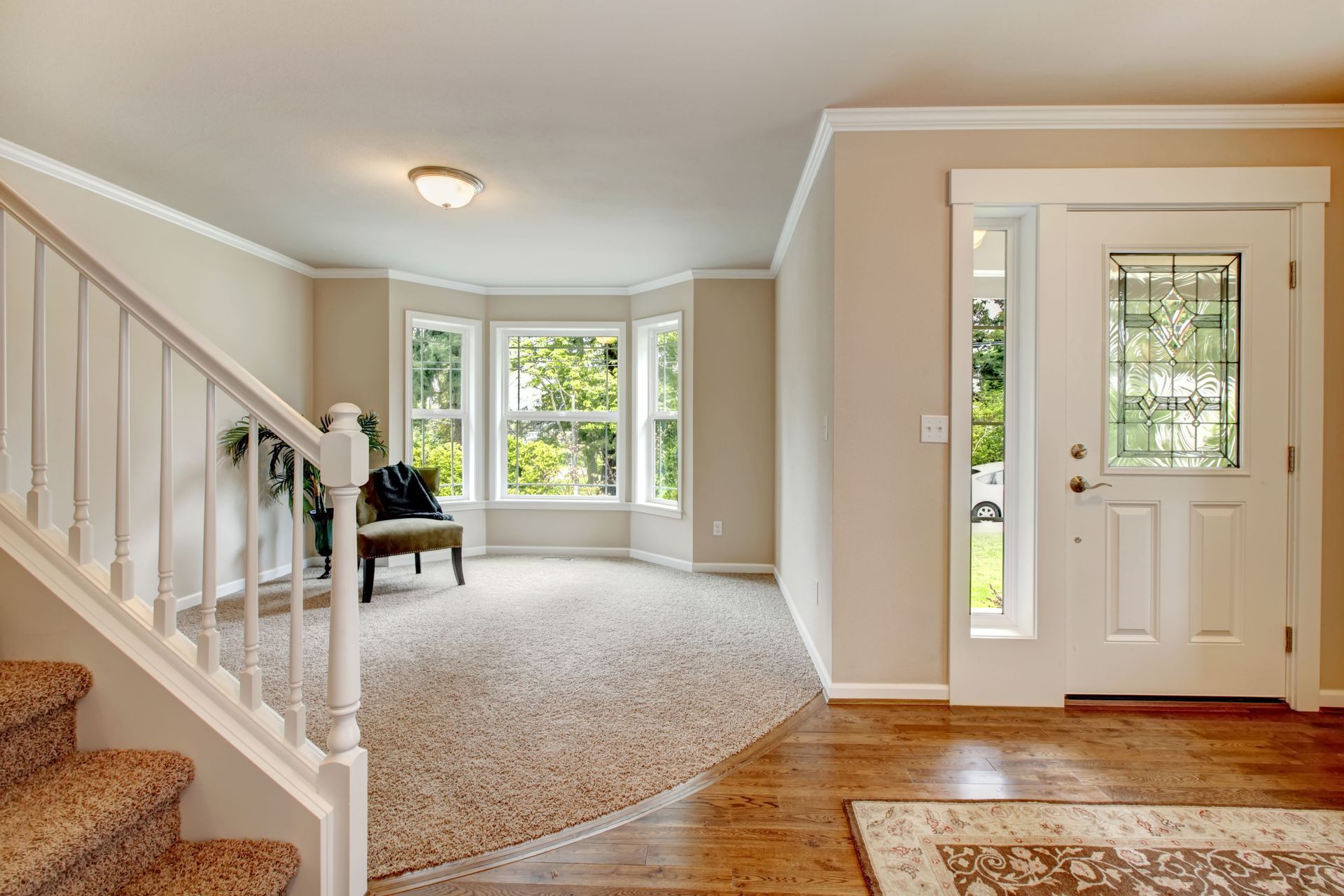
Windows play a crucial role in both heat gain and heat loss within buildings. They allow natural light to enter, which can reduce the need for artificial lighting but can also lead to excessive heat during warmer months. Conversely, windows can contribute to heat loss during colder months, increasing the demand for heating systems. Understanding this dual function helps in selecting window treatments that optimize energy retention or loss based on seasonal needs.
Poorly insulated windows can dramatically increase energy bills by causing HVAC systems to work harder to maintain indoor temperatures. This inefficiency not only raises operational costs but also places greater demands on energy resources, contributing to higher emissions. Implementing effective commercial window treatments can lead to substantial reductions in energy expenditures. Many business owners may initially overlook the impact of window insulation, but realizing that windows can account for up to 30% of energy loss is critical in understanding potential savings. According to This Old House, around 20% of respondents cited energy efficiency-related cost savings as the biggest factor in their decision to purchase replacement windows.
The energy performance of windows varies with the seasons due to differences in temperature and sunlight exposure. During summer, windows can generate unwanted heat gain, while in winter, they can be responsible for heat loss. This seasonality necessitates adaptable window treatment solutions to maintain energy efficiency year-round. Adaptive strategies like installing reflective films or insulated cellular shades can help manage these variations effectively. By examining these seasonal patterns, commercial property managers can implement more targeted energy-saving measures.
Knowing the Types of Window Treatments
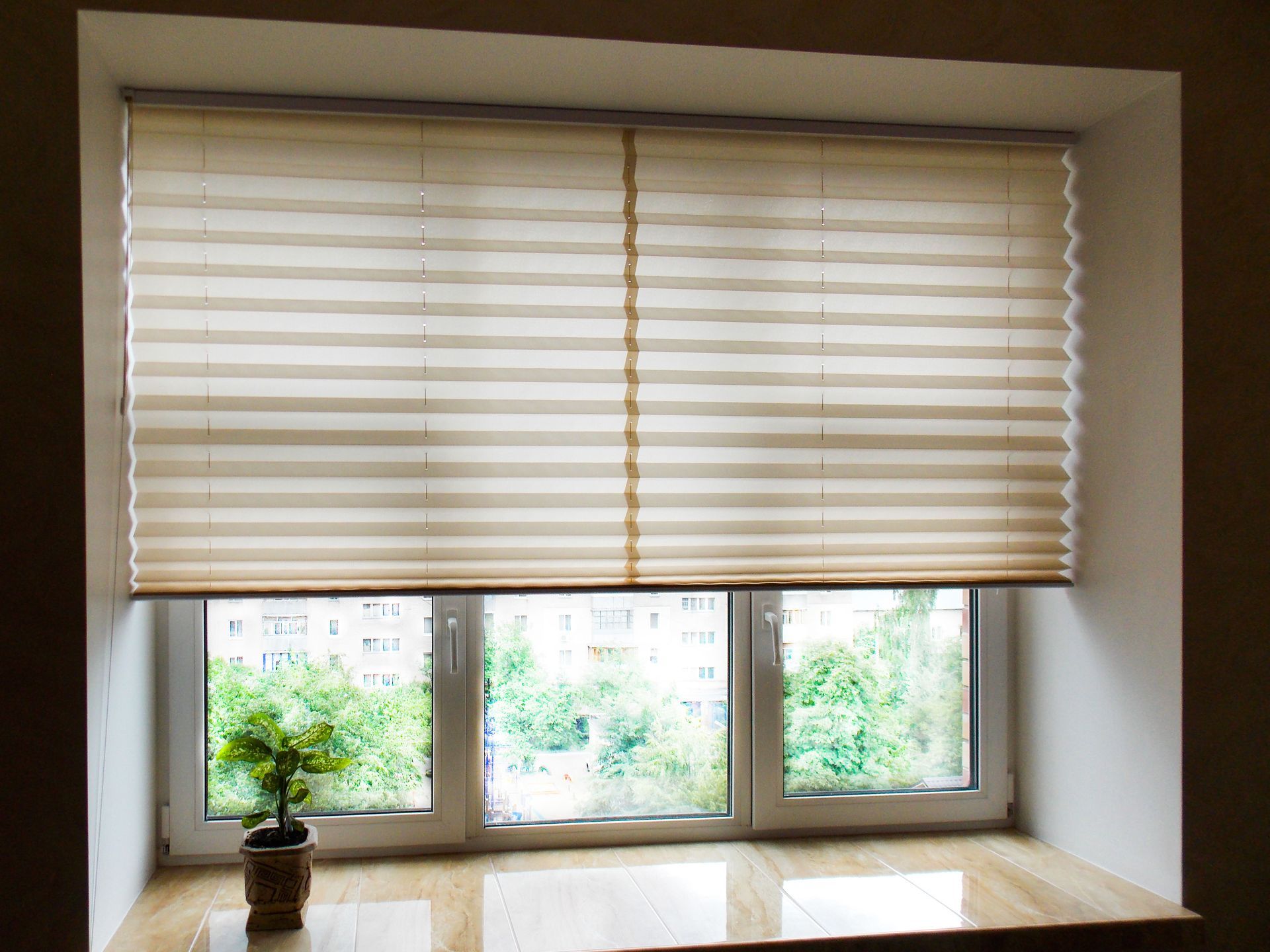
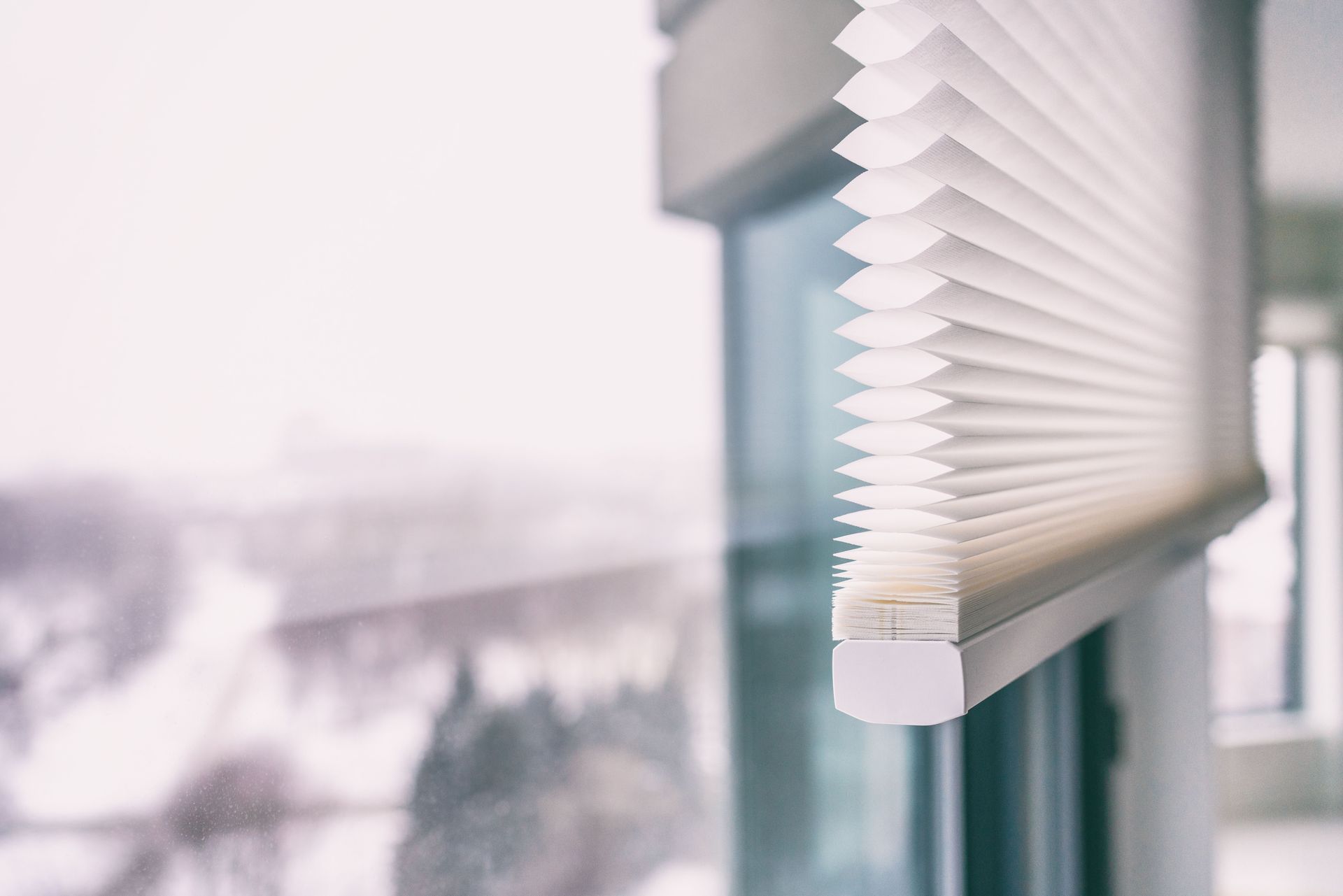
Insulated cellular shades, often called honeycomb shades, are known for their ability to trap air within their unique structure. This air trapping effectively reduces heat loss during colder months and prevents heat gain in the summer. The shades are available in different cell sizes and can be tailored to fit various window specifications, offering flexibility for different commercial settings. These shades not only optimize energy efficiency but also enhance indoor comfort by stabilizing temperatures.
Solar shades are designed to diffuse and block sunlight while maintaining external views, a unique combination that supports daylighting and reduces the need for artificial lighting. These shades minimize glare and help in regulating indoor temperatures, making them an ideal choice for office environments. Their energy-saving benefits also extend to protecting interior furnishings from UV damage, thereby increasing their longevity. Solar shades are especially advantageous in regions with intense sunlight as they can help in reducing cooling costs significantly.
Thermal curtains and drapes work similarly to insulated shades by providing an additional layer of fabric that helps in reducing heat transfer. The thicker the material, the more effective it is at keeping warm air in during winter and hot air out during summer. Drapes can be layered with other treatments for enhanced energy efficiency, providing flexibility in achieving desired insulation levels. Besides their functional benefits, thermal curtains contribute to noise reduction, adding to the comfort of indoor environments.
Advancing Technologies in Window Treatments
Smart glass and electrochromic windows represent cutting-edge technology in window treatments, enabling dynamic tint control to manage light and heat input. These windows harness electrical signals to change their opacity, giving them the ability to adapt to changing weather conditions and lighting requirements. As a powerful tool for energy management, they can automatically respond to pre-set preferences or external conditions, optimizing their insulating properties. These innovative solutions, though costlier than traditional options, offer superior control over energy efficiency and are increasingly being integrated into smart building systems.
Integration of window treatments with building automation systems (BAS) is a growing trend that enhances energy management by enabling centralized control. Commercial window treatments like automated systems can adjust treatments in response to climatic changes, occupancy patterns, or energy prices, enhancing environmental and economic efficiency. This capability allows for real-time adaptations that maximize comfort and energy savings simultaneously. Incorporating window treatments into BAS can lead to smarter energy use, lower utility bills, and reduced carbon footprints for commercial buildings.
Photovoltaic (PV) windows combine solar power generation with the functional benefits of traditional window systems. By converting sunlight into electricity, they provide an additional energy source that reduces dependency on external power supplies. Although the initial setup can be costly, the ability to produce renewable energy can offset this over time, making PV windows an attractive option for sustainable buildings. They also work synergistically with other energy-efficient building practices, such as energy auditing and automation, to create a more sustainable energy ecosystem.
Assessing the Cost-Benefit of Various Solutions
The decision to invest in energy-efficient window treatments often balances initial expenses against anticipated long-term savings. While some treatments require considerable upfront investment, the reduction in energy bills provides substantial long-term financial returns. For instance, technologies like smart glass may cost more initially but can achieve more significant energy savings over time than simpler solutions like thermal curtains. Understanding these dynamics is crucial for making informed decisions that align with both budget constraints and environmental goals.
Investing in energy-efficient window treatments can positively impact property values by enhancing building sustainability and reducing operating costs. As energy efficiency becomes a more critical factor for potential buyers and tenants, buildings with eco-friendly features are increasingly valued in the real estate market. Effective window treatments also improve indoor comfort and productivity, further elevating property appeal. The long-term reduction in energy expenses can make properties more financially attractive over time, boosting occupancy rates and tenant satisfaction.
Many governments offer incentives and rebates to encourage the adoption of energy-efficient practices, making commercial window treatment updates more financially accessible. These programs can significantly offset initial investment costs, making the transition to sustainable solutions more appealing. Besides direct rebates on materials and installation, tax incentives also exist to reward energy-efficient upgrades, further reducing financial barriers. Keeping abreast of available incentives allows businesses to capitalize on these benefits, improving ROI on energy-saving projects.
Implementing Energy-efficient Window Treatments
An energy audit is a critical first step in identifying opportunities for improving energy efficiency with window treatments. This process involves evaluating current energy usage, identifying inefficiencies, and pinpointing areas for improvement. With the insights gained, property managers can prioritize investments in solutions that will deliver the most significant impact on energy savings. Audits might also uncover opportunities to integrate window treatments with other energy-saving solutions, amplifying efficiency gains.
Selecting the appropriate window treatment solution depends on various factors, including climate, building design, and energy use patterns. Each type of treatment offers specific benefits, so matching the solution to the building's unique characteristics is critical for optimizing energy efficiency. For example, solar shades might be ideal in sunlit office spaces, while insulated shades could serve drafty older buildings well. Consulting with energy efficiency professionals can provide essential guidance in this process, ensuring that choices align with practical needs and financial targets.
Deciding between professional installation and do-it-yourself (DIY) approaches requires careful consideration of the complexity of the chosen solution. While simpler treatments such as standard curtains may lend themselves to DIY projects, more sophisticated options often require professional expertise to ensure optimal performance. Professional installation can guarantee proper fit and function, which is crucial for achieving anticipated energy savings and avoiding costly errors. Moreover, hiring experts can provide warranties and support for long-term maintenance of complex installations.
Improving energy efficiency starts with smart design choices that reduce waste and enhance comfort throughout your space. Investing in
commercial window treatments can help regulate indoor temperatures, lower utility costs, and create a more productive environment. Take the next step toward a more efficient property by reaching out to Midwest Blinds today to explore solutions tailored to your business needs.


Share On: