
How Cellular Shades and Window Insulation Shave Energy Bills
In recent years, the urgency for enhancing energy efficiency in homes has grown significantly. Rising utility costs and environmental concerns push homeowners toward innovative solutions to reduce energy consumption. One crucial area often overlooked is window treatment, which can significantly impact energy efficiency. Cellular shades, in particular, have emerged as a popular choice for those looking to lower their energy bills. This article explores how cellular shades contribute to reducing energy consumption and the various benefits they offer.
Understanding the Function of Cellular Shades
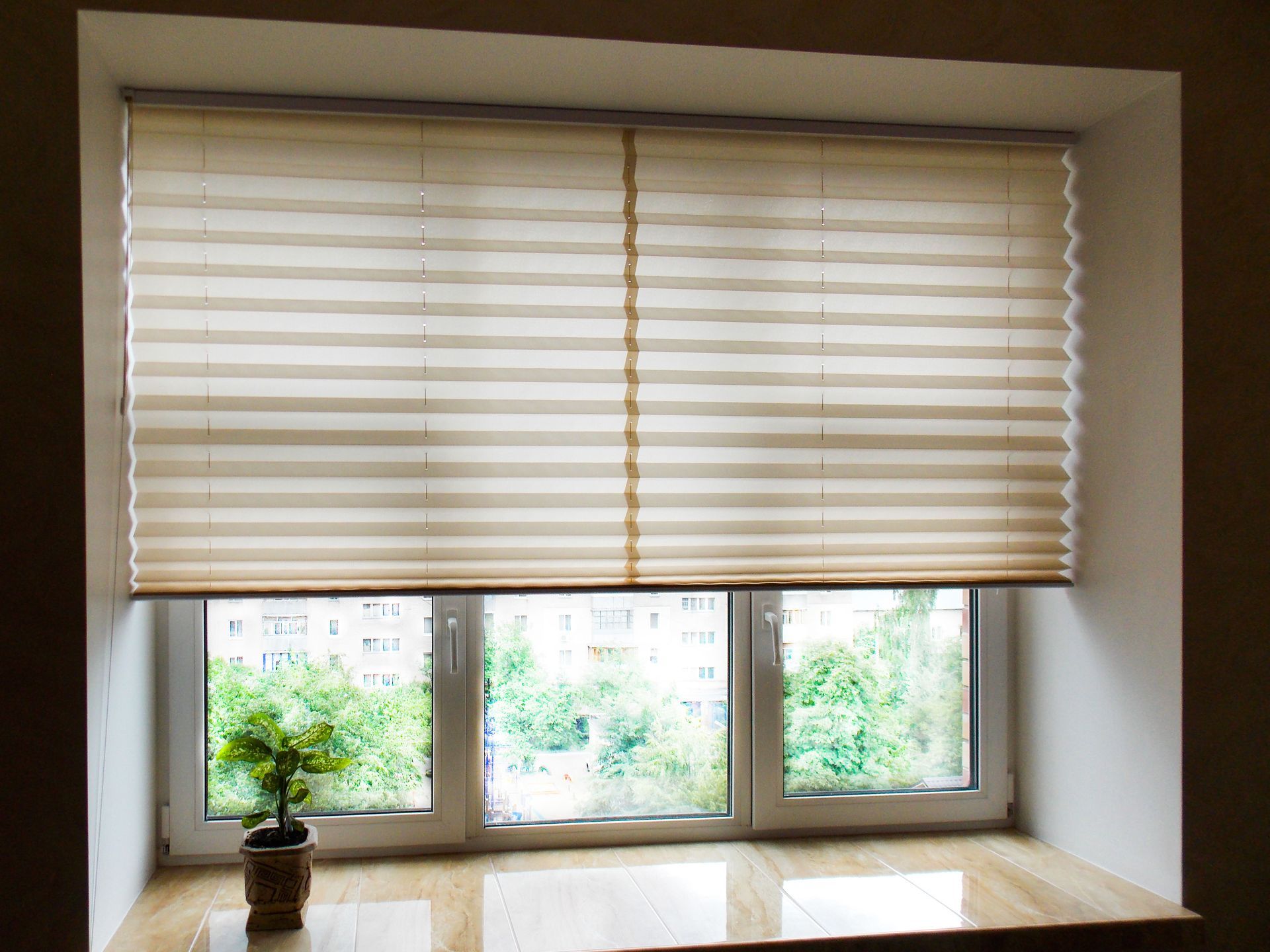
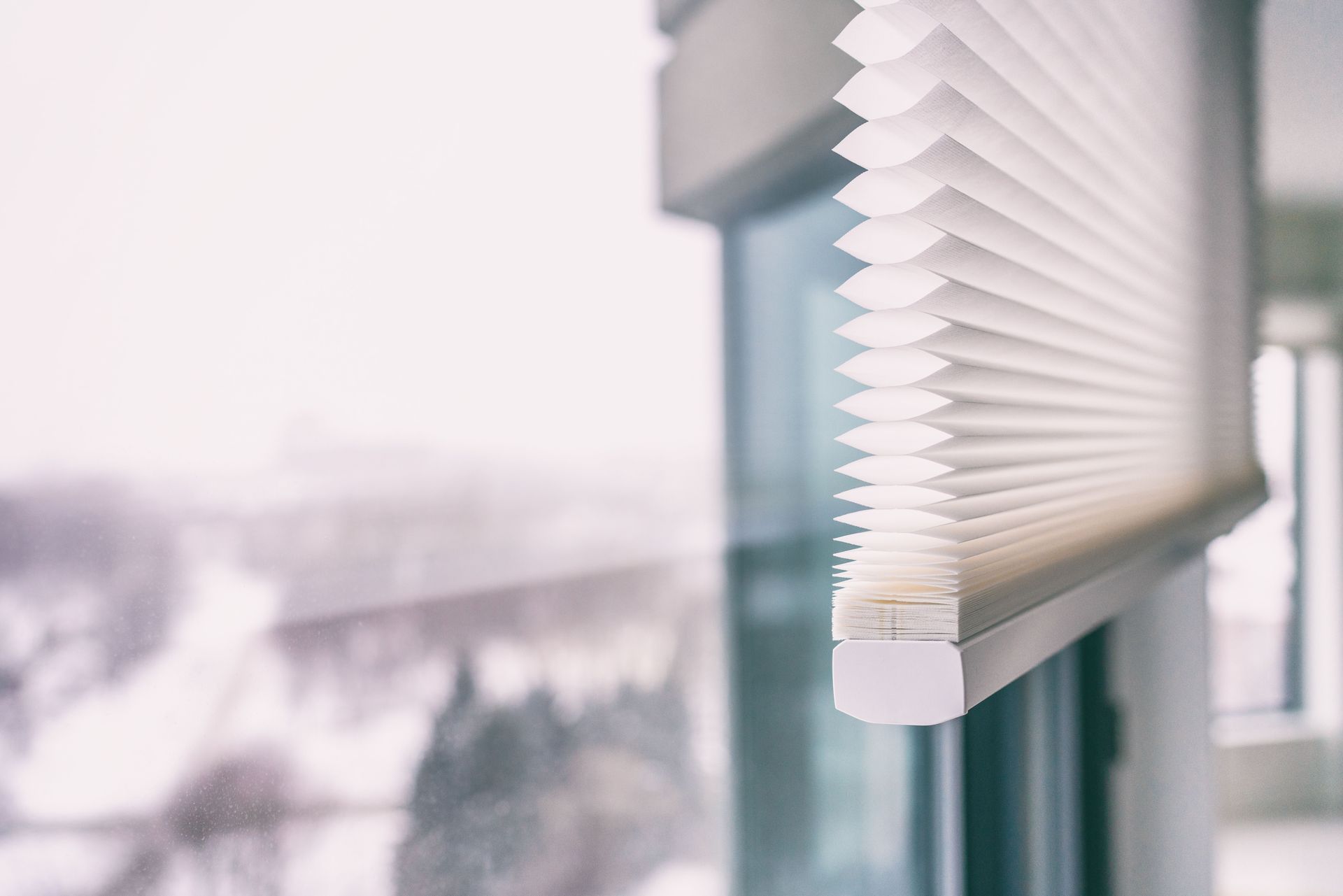
Cellular shades, also known as honeycomb shades, are window coverings designed to provide superior insulation. Their unique structure features air pockets, which trap air and create a barrier between the window surface and the room interior. These shades are versatile, offering variations that cater to different energy efficiency needs. The design not only contributes to insulation but also enhances room aesthetics. As a popular choice for homeowners, cellular shades combine functionality with style.
The structure of cellular shades consists of a series of connected chambers or cells. These cells resemble a honeycomb, which is why they are sometimes referred to as honeycomb shades. This design is critical for insulation, as it traps air and significantly reduces heat transfer. The shades come in single, double, or even triple cells, each providing varying levels of insulation. By selecting the appropriate cellular shade design, homeowners can optimize their energy efficiency efforts.
The R-value is a critical measurement in understanding insulation efficiency. It represents the resistance of a material to heat flow, with higher values indicating better insulation. Cellular shades increase the R-value of windows, enhancing their ability to retain indoor temperatures. According to the U.S. Department of Energy, tightly-installed cellular shades can reduce heat loss through windows by 40% or more in heating seasons. This efficiency highlights the significant impact cellular shades have on energy savings.
Explaining the Insulation Science of Cellular Shades
Heat transfer in homes occurs through conduction, convection, and radiation. Windows are a major source of energy loss, primarily due to their nature of allowing heat to pass through. Conduction happens as heat moves through solid materials in the fenestration. Convection occurs when heat circulates through the air, and radiation involves the transfer of heat through electromagnetic waves. Effective window treatments like cellular shades minimize these forms of heat transfer.
Thermal resistance is a material's ability to resist heat flow. Cellular shades enhance this resistance by trapping air within their cells, which acts as a barrier against temperature transfer. The increased resistance helps maintain a stable indoor climate, reducing the workload on heating and cooling systems. By improving thermal resistance, cellular shades contribute to significant energy savings. This concept is essential for homeowners looking to enhance their home's energy efficiency.
The insulation efficiency of cellular shades is unmatched by many other window treatments. Their honeycomb design traps air, effectively minimizing heat exchange between the indoor environment and the external weather. This efficiency is reflected in their ability to significantly reduce both heating and cooling costs. The cellular structure is engineered to maximize thermal resistance, making these shades a smart investment for energy-conscious homeowners. This engineering translates into real-world savings on energy bills.
Exploring the Energy-Saving Benefits of Cellular Shades
One of the most significant advantages of cellular shades is their ability to lower heating and cooling costs. By improving window insulation, they decrease the demand on HVAC systems. This reduction is directly reflected in utility bills, proving the financial benefits of installing cellular shades. Homeowners often see a noticeable decline in energy expenses shortly after installation. The efficiency of these shades plays a fundamental role in enhancing overall home energy savings.
Cellular shades enhance the efficiency of HVAC systems by reducing their workload. With improved window insulation, HVAC units need to run less frequently and for shorter durations. This reduced demand not only cuts energy usage but also extends the lifespan of heating and cooling systems. It promotes a sustainable approach to home temperature regulation, minimizing the impact on natural resources. The cycle of lower energy demand leads to prolonged and efficient HVAC operation.
The use of cellular shades contributes to a reduced carbon footprint. By decreasing energy consumption, these shades lower the reliance on fossil fuels. This reduction in energy usage leads to fewer greenhouse gas emissions, positively impacting the environment. Cellular shades offer a sustainable solution for those concerned about climate change. Their role in cutting energy costs aligns with broader efforts toward achieving environmental conservation.
Installing and Maintaining Cellular Shades for Efficiency
Routine maintenance of cellular shades ensures they continue to perform effectively. Regular cleaning prevents dust buildup, which can affect their functionality. Homeowners should check for any wear and tear and address small issues promptly to avoid more significant problems. Proper care extends the lifespan of the shades, allowing them to deliver consistent energy savings. Maintenance plays a key role in protecting the investment made in cellular shades.
Occasionally, cellular shades may encounter common issues such as uneven shading or mechanical difficulties. Basic troubleshooting involves checking for obstructions in the track and ensuring the shades are properly aligned. Homeowners can often resolve simple problems without professional help. However, for complex issues, seeking professional advice is recommended. Addressing these issues promptly ensures sustained energy efficiency and functional operation.
Proper cleaning keeps cellular shades in prime condition. Dusting with a soft cloth or vacuuming with a brush attachment is sufficient for routine cleaning. For deeper cleaning, spot-treat any stains with a mild detergent and water. It is essential to avoid abrasive materials that could damage the fabric. Regular care not only maintains aesthetic appeal but also ensures the insulation capacity of the shades is retained.
Comparing Cellular Shades with Other Window Treatments
Comparing cellular shades to curtains and drapes, the former offers superior insulation capabilities. While curtains add some level of thermal resistance, they cannot match the air-trapping design of cellular shades. Cellular shades maximize insulation by reducing both convective and conductive heat transfer. In contrast, curtains mainly reduce convective heat loss. This distinction underscores why cellular shades are preferred for energy efficiency.
Blinds and shutters offer limited insulation compared to cellular shades. While shutters can block sunlight, their insulating properties are often insufficient to significantly impact energy consumption. Cellular shades, with their honeycomb design, provide better thermal resistance. They not only block unwanted sunlight but also insulate against heat loss and gain. The choice between these options should consider the energy-saving priorities of the homeowner.
Beyond functionality, cellular shades also offer a wide range of aesthetic options. They are available in various colors, patterns, and opacities to match any interior style. This versatility allows for creative integration with room decor while still focusing on energy efficiency. The customizable design options enhance the aesthetic appeal of cellular shades, making them a favored choice for modern homes.
Cellular shades represent an effective solution for optimizing energy efficiency and reducing energy bills. Their unique design and insulating capabilities make them a valuable addition to any home. By lowering heating and cooling costs and reducing environmental impact, they offer both financial benefits and ecological advantages. As innovations in smart technology and sustainable practices emerge, cellular shades are poised to play an increasingly significant role in modern home insulation strategies. Homeowners seeking to enhance energy savings should strongly consider contacting Midwest Blinds to invest in cellular shades for their home.



Share On: