
Modern Design Trends in Commercial Window Blinds
In recent years, commercial window blinds have undergone a significant transformation, influenced by modern design trends that emphasize functionality, aesthetics, and sustainability. As technology advances and awareness of sustainability grows, new possibilities emerge in the design and function of window blinds. The integration of these trends results in commercial environments that aren't only more efficient but also visually appealing and eco-friendly. By examining these innovations, we can better understand the direction in which the commercial window blinds industry is headed.
1. Minimalistic and Sleek Designs
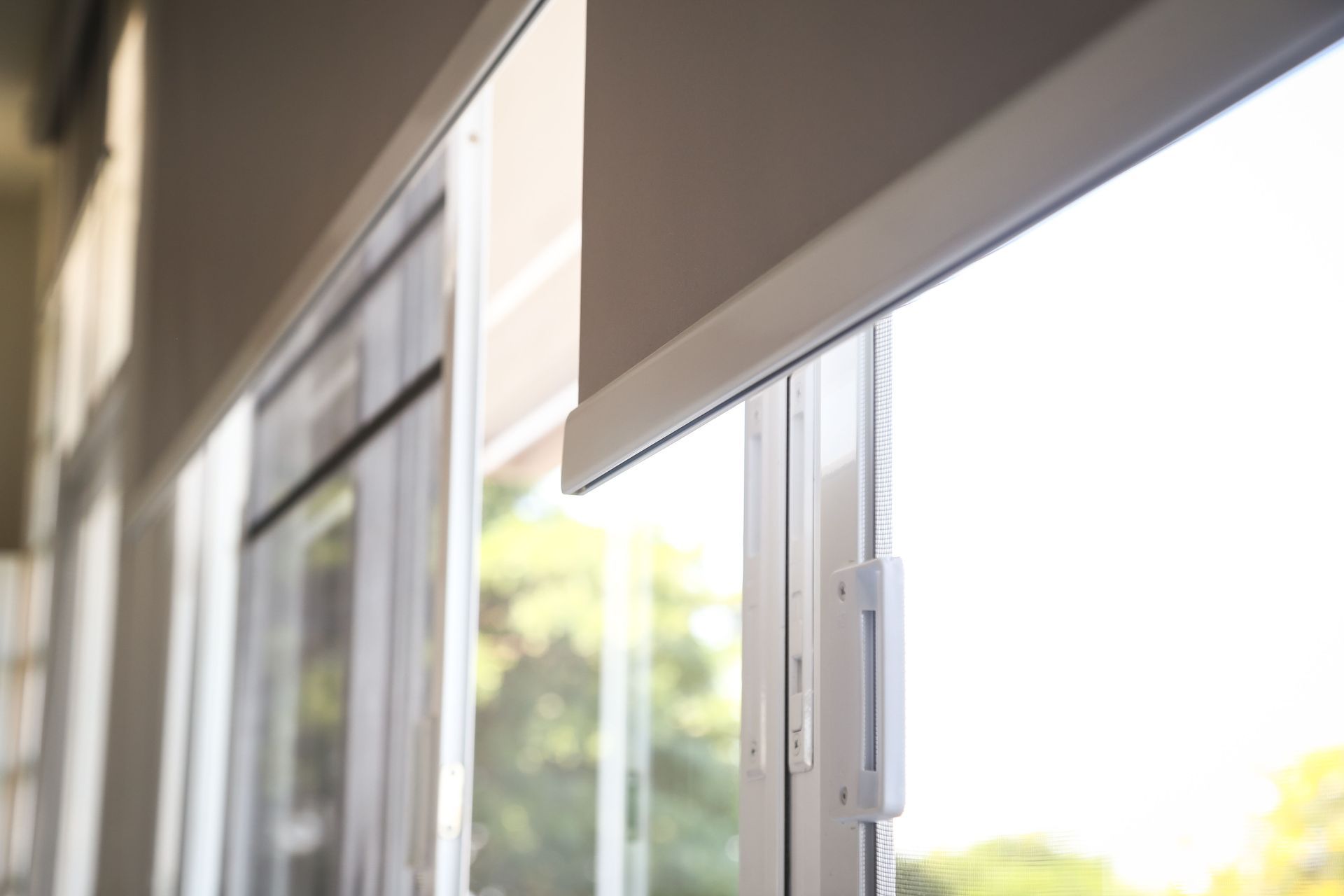
The rise of minimalism has significantly influenced the design of commercial window blinds, focusing on clean lines and simplified forms. This design philosophy is driven by a desire for clarity, order, and calmness in bustling environments. Blinds with minimalistic designs help in creating spaces that appear larger and less cluttered. The emphasis is on essential elements, eliminating unnecessary complexity and showcasing functionality above all. As businesses increasingly prioritize efficiency, the adoption of minimalistic blinds mirrors broader design trends in architecture and interior decor.
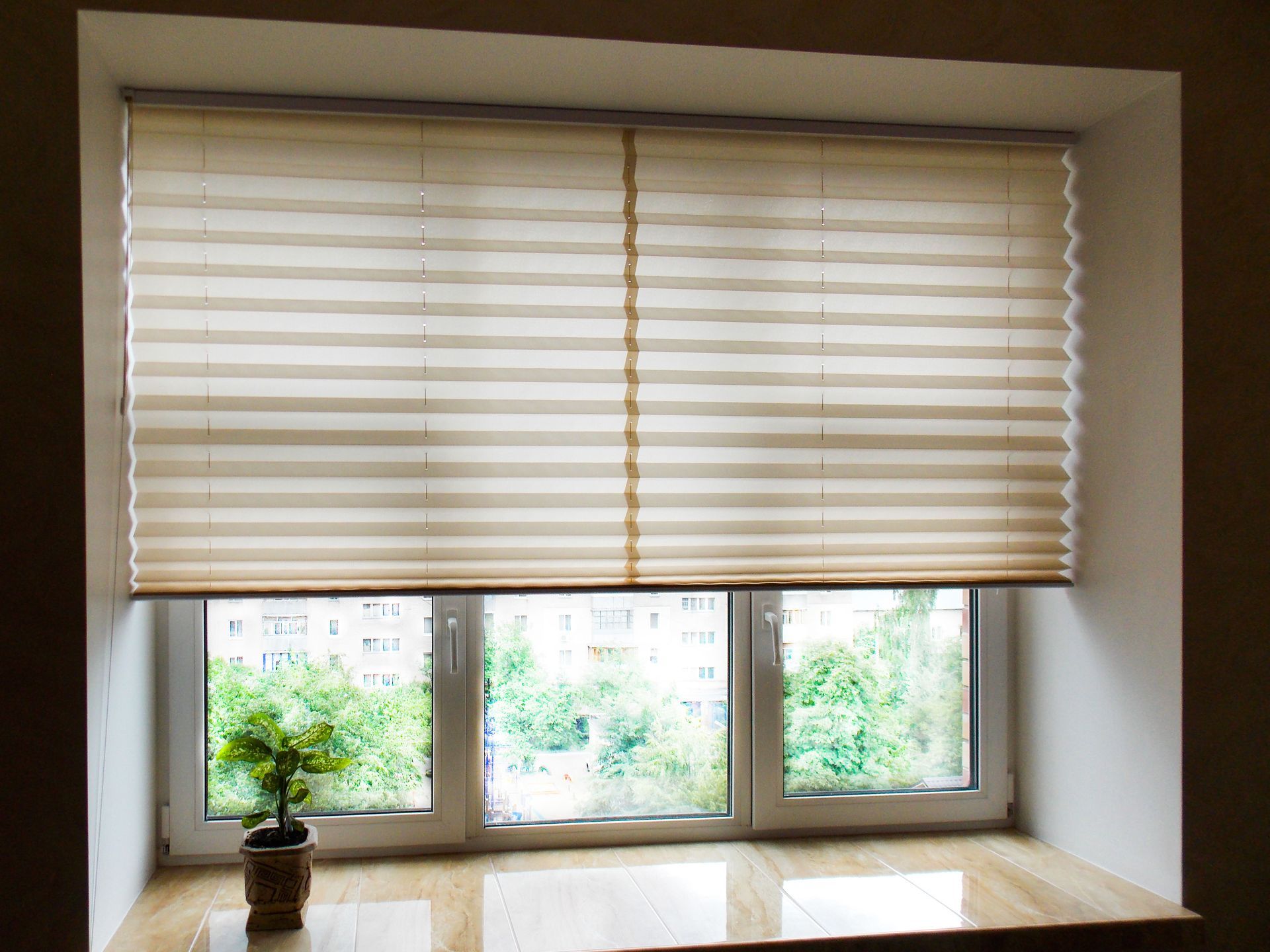
Neutral color palettes are becoming a staple in commercial window blind designs. These colors, ranging from whites and grays and browns, provide a versatile backdrop that complements various interior styles. Neutral tones create a sense of cohesion and serenity, essential in busy commercial settings where numerous visual elements can be overwhelming. By harmonizing with the existing decor, these colors allow other design elements to stand out while ensuring the blinds blend seamlessly into the environment. Furthermore, the timeless nature of neutral colors ensures that blinds remain in style despite changing trends.
The contemporary design approach includes integrating window blinds with architectural features and interior elements. Blinds are now crafted to complement the overall aesthetic of buildings, accentuating structural elements such as window frames and sills. This integration extends to aligning with lighting conditions, enhancing natural light without disrupting architectural integrity. Blinds that blend well with the architecture can emphasize a building's unique character while optimizing its functional capabilities. As architectural trends continue to evolve, window blinds that adapt to these changes can offer enhanced aesthetic and practical benefits.
2. Smart Technology Integration
Automation is at the forefront of modern window blind technology, providing both convenience and efficiency. Automated and motorized systems empower users to control blind adjustments with minimal effort. These systems can be programmed to operate at specific times, optimizing energy use and enhancing indoor comfort. With about 30% of a home's thermal loss attributed to windows, according to This Old House, automated systems can help manage heat gain and loss effectively. This technological integration is particularly advantageous in commercial spaces, where managing the environment efficiently can lead to significant cost savings.
Modern window blinds are increasingly equipped with sensors and climate control integrations, allowing for adaptive and responsive environmental management. These blinds can automatically adjust based on sunlight intensity or indoor temperature, contributing to a more energy-efficient environment. By integrating with other smart building technologies, blinds can synchronize with HVAC systems to optimize temperature control and reduce energy consumption. This not only enhances occupant comfort but also supports sustainability efforts by minimizing unnecessary energy waste. Consequently, these innovations highlight the vital role blinds play in intelligent building management systems.
The convenience of remote and voice control features has become a standard expectation in modern commercial window blinds. Through smart devices or voice-activated assistants, users can operate blinds without manual adjustments. These features provide accessibility and control, essential in areas with hard-to-reach windows or where frequent adjustments are necessary. By integrating such technologies, blinds offer enhanced flexibility and adaptability, crucial for meeting diverse user preferences. As remote and voice-controlled systems become more sophisticated, their incorporation into commercial settings is set to expand, offering unprecedented levels of comfort and operational ease.
3. Eco-Friendly and Sustainable Choices
Sustainability is a critical aspect of modern window blind production, with an increasing focus on using recycled materials. Manufacturers are sourcing materials that reduce environmental impacts, such as utilizing plastics and fabrics derived from recycled sources. This not only minimizes waste but also aligns with the growing demand for environmentally responsible products. The use of recycled materials in blinds reflects a broader trend towards sustainable commercial practices, meeting the expectations of eco-conscious consumers. As sustainable production methods become more prevalent, the commercial window blinds sector will continue to innovate in environmentally friendly solutions.
Energy-efficient blinds are crucial for sustainable building practices, providing enhanced insulation and contributing to reduced energy costs. These blinds are designed to minimize thermal transfer, keeping interiors cooler in summer and warmer in winter. By reducing reliance on mechanical heating and cooling, energy-efficient blinds play a significant role in energy conservation. This is particularly relevant in commercial settings, where large window areas can significantly impact overall energy usage. The integration of efficient blinds is part of a broader effort to create buildings that are both environmentally sustainable and economically viable.
The certification of window blind products according to green building standards like LEED is a growing trend in the industry. These certifications provide assurance that the products meet rigorous environmental and sustainability criteria. Manufacturers are increasingly aligning their products with these standards, ensuring they contribute positively to the building's environmental credentials. Such certifications also enhance marketability, as businesses and consumers prioritize environmentally responsible choices. By adhering to recognized standards, window blinds support the mission of creating healthier and more sustainable commercial environments.
4. Customization and Personalization
Customization in window blinds has surged in popularity, offering tailored solutions to meet specific commercial needs. Made-to-order blinds can accommodate unique window sizes and shapes, ensuring a perfect fit and maximal functionality. This flexibility allows businesses to align blinds with their specific operational requirements and aesthetic preferences. As personalization becomes more important, the ability to customize blinds offers distinct advantages in competitive markets. By catering to individual client demands, manufacturers can differentiate their products and enhance customer satisfaction.
In commercial environments, window blinds serve as innovative branding tools by incorporating company logos or motifs. This integration provides an effective way to strengthen brand identity within a physical space. Customized blinds featuring brand elements contribute to a cohesive visual aesthetic, creating a unified and professional environment. The ability to merge functionality with branding enhances the utility of blinds beyond their traditional role. As businesses seek novel marketing strategies, the use of customized blinds as brand showcases is a significant trend.
Custom patterns and graphics are increasingly popular in window blind designs, offering opportunities for creative expression. These designs add personality to spaces, distinguishing them from conventional commercial settings. Personalized aesthetics can evoke specific atmospheres, from vibrant and energetic to calm and sophisticated. By offering a wide range of design options, blinds cater to diverse tastes and corporate identities. This element of personalization presents endless possibilities for adding character and enhancing the visual impact of commercial spaces.
As commercial environments continue to evolve, modern design trends in window blinds play a crucial role in shaping efficient, attractive, and sustainable spaces. Innovations in technology, sustainability, and customization have positioned window blinds as an essential element of contemporary commercial design. By adapting to changing needs and preferences, the commercial window blinds industry promises a future that is both functional and inspiring. These trends not only enhance the aesthetic appeal of commercial spaces but also contribute to their operational efficiency and environmental responsibility. The blend of form, function, and sustainability makes modern window blinds a pivotal component of the future of commercial design.





Share On: